A More Adaptable Take on Hospitality Interiors
Hotels, resorts, restaurants, and spas require welcoming interiors that can accommodate a range of guest needs. Switchable glass, or privacy glass, uses PDLC (Polymer Dispersed Liquid Crystal) film to make these settings more versatile. By combining technology with design flexibility, it changes how hospitality rooms are designed, used, and experienced. Smart Glass San Francisco explores how this glazing can contribute to comfortable, refined guest environments.
Putting Guests in Control of Their Spaces
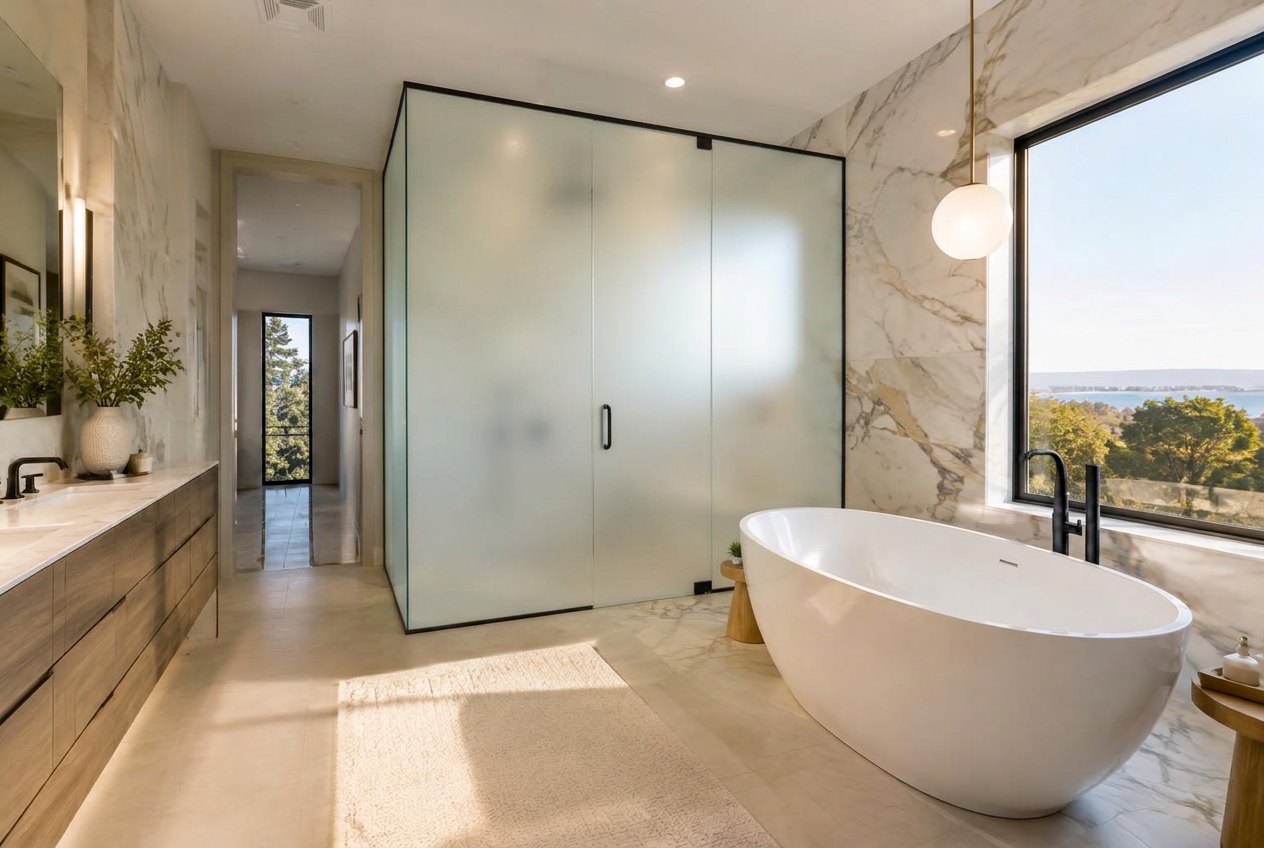
Guests can make a glass bathroom or bedroom wall private without closing a curtain. With a button or switch, PDLC glazing moves from clear to opaque or tinted, making privacy easy to control. Electrical current changes the orientation of liquid crystal molecules in the film, altering the glass’s transparency. The result is a quick, simple shift between an open room and a screened space.
Smart glass can improve comfort as well as visual privacy by blocking up to 99% of UV rays and reducing glare and solar heat. This can be useful in rooms exposed to strong San Francisco sunlight. PDLC smart glass walls and partitions can also provide soundproofing, reducing noise pollution around busy lobbies and dining areas for a more comfortable guest setting.
Aligning Glass with the Design Vision
Privacy glazing works in doors, windows, skylights, and interior partitions, rather than being confined to one feature. This versatility allows hospitality properties to include it in traditional or contemporary design schemes. Customizing the glass to suit a venue’s identity or theme can tie individual spaces together into a consistent guest experience.
Smart glass can be paired with wood, stone, and metal for distinctive combinations of materials. A lounge or restaurant counter, for example, can turn transparent to show bottles and glasses before returning to an opaque surface. Integrated into the broader design, this changeable feature brings visual interest and a polished, modern feel.
Making Guest Experiences More Personal
At a luxury property, switching the glass can reveal a concealed spa or private wine cellar, creating a moment of discovery for guests. Smart glass can also be used for interactive displays and touchscreen applications. Through a touch interface, guests may access information, adjust lighting or temperature, or change the view presented outside their windows. These uses add a personal dimension to how guests experience a space.
Smart glass can also bring digital advertising or signage into a venue’s interior, displaying promotional content as part of the space. Meeting and event rooms offer another use for its flexibility: glass walls can turn opaque for confidential discussions and presentations, then clear during breaks to reconnect the room with its surroundings. This adaptability suits hospitality events in the Financial District and beyond.
Using Fewer Resources in Hospitality
Environmental concerns are playing a growing role in hospitality decisions. Smart glass can eliminate the need for curtains and blinds, reducing the materials that eventually become waste or pollution. By blocking solar heat and UV rays, it also reduces the load on HVAC systems and the energy needed for cooling or heating. These effects can help properties reduce energy costs and operate with a smaller carbon footprint.