How Switchable Smart Glass Works
At the press of a button, smart glass transforms from opaque to transparent, providing privacy or an open view within seconds. Also called switchable glass, PDLC glass, or smart tint film, this technology offers designers another way to shape how living and working spaces are used.
The Benefits of PDLC Technology
Switchable glass offers benefits that include energy efficiency, sound insulation, and protection from harmful UV rays. By adjusting natural light, smart windows can also reduce glare and improve indoor comfort, especially where strong San Francisco sunlight reaches the glass.
Smart Glass Applications for Hotels
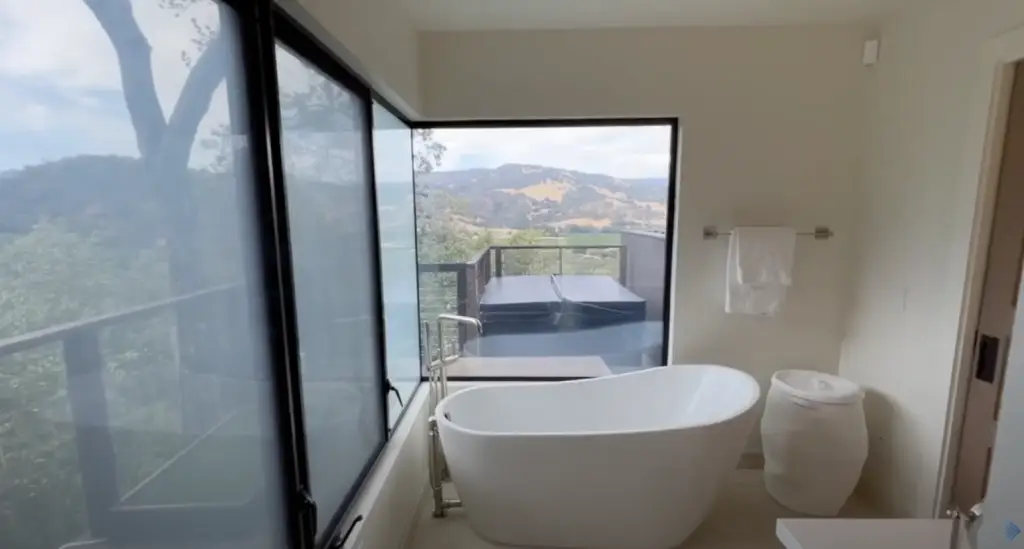
Hotels and resorts use switchable smart film to create more functional, distinctive guest spaces. A bathroom wall that becomes private or a smart window that reveals a view shows its range of hospitality applications. In a Financial District hotel, such features can influence both the room layout and the guest experience.
In guest rooms, switchable glass can bring together added privacy, sound insulation, and natural light. Smart windows may also lower energy costs by managing incoming solar heat. Throughout the property, switchable partitions help spaces serve different purposes, from meetings to weddings.
For hotels and resorts assessing their interiors, switchable smart film can improve both functionality and energy efficiency. More adaptable spaces and a memorable guest stay make smart glass a practical option for San Francisco hospitality projects.